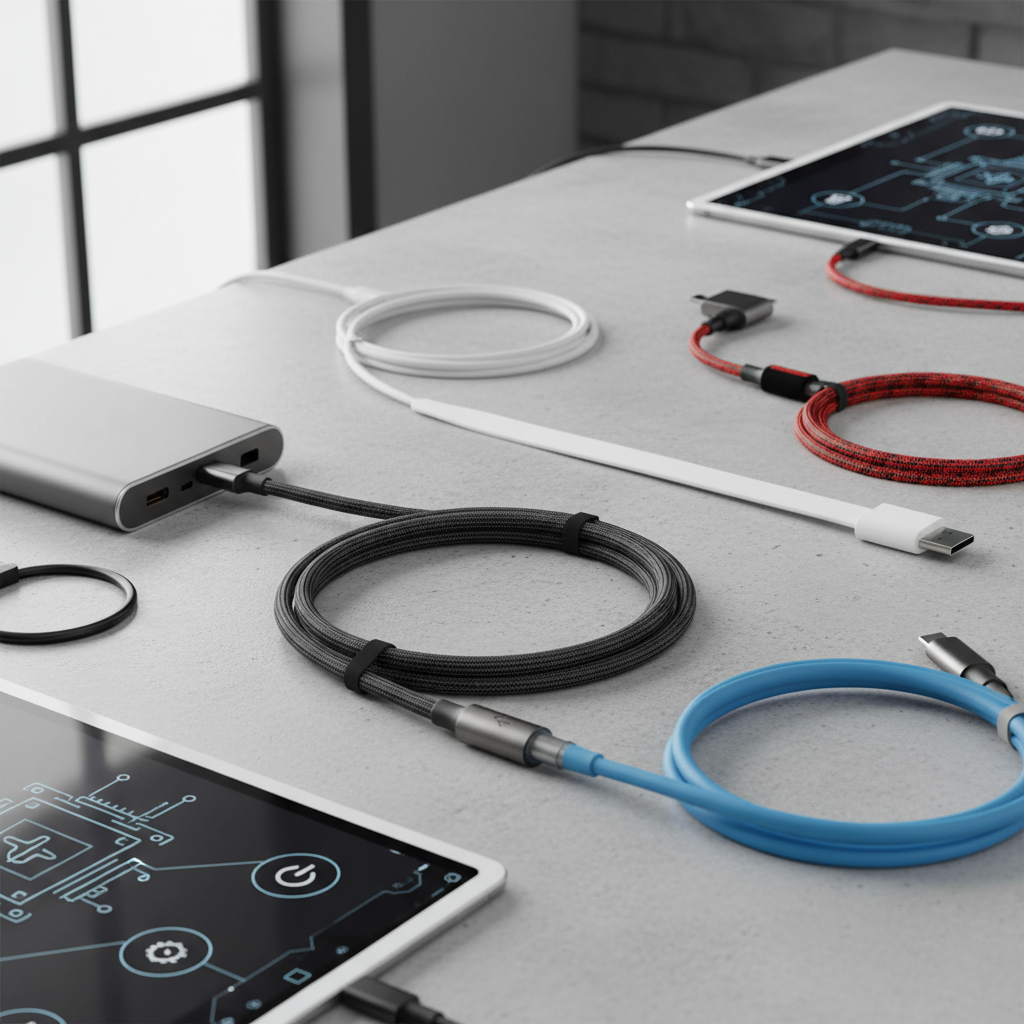
In our increasingly connected world, a reliable charging cable is more than just an accessory; it’s an essential lifeline for our devices. From smartphones and tablets to laptops and earbuds, these seemingly simple connectors power our daily routines, communication, and entertainment. But with countless options flooding the market, from budget-friendly generics to premium branded offerings, one might wonder: is investing in a quality charging cable truly worth it? This comprehensive guide delves into the multifaceted aspects of charging cables, exploring their advantages and disadvantages, and helping you determine if a higher-quality cable is a worthwhile investment for your digital life.
Charging Cables: An Overview and Essential Knowledge
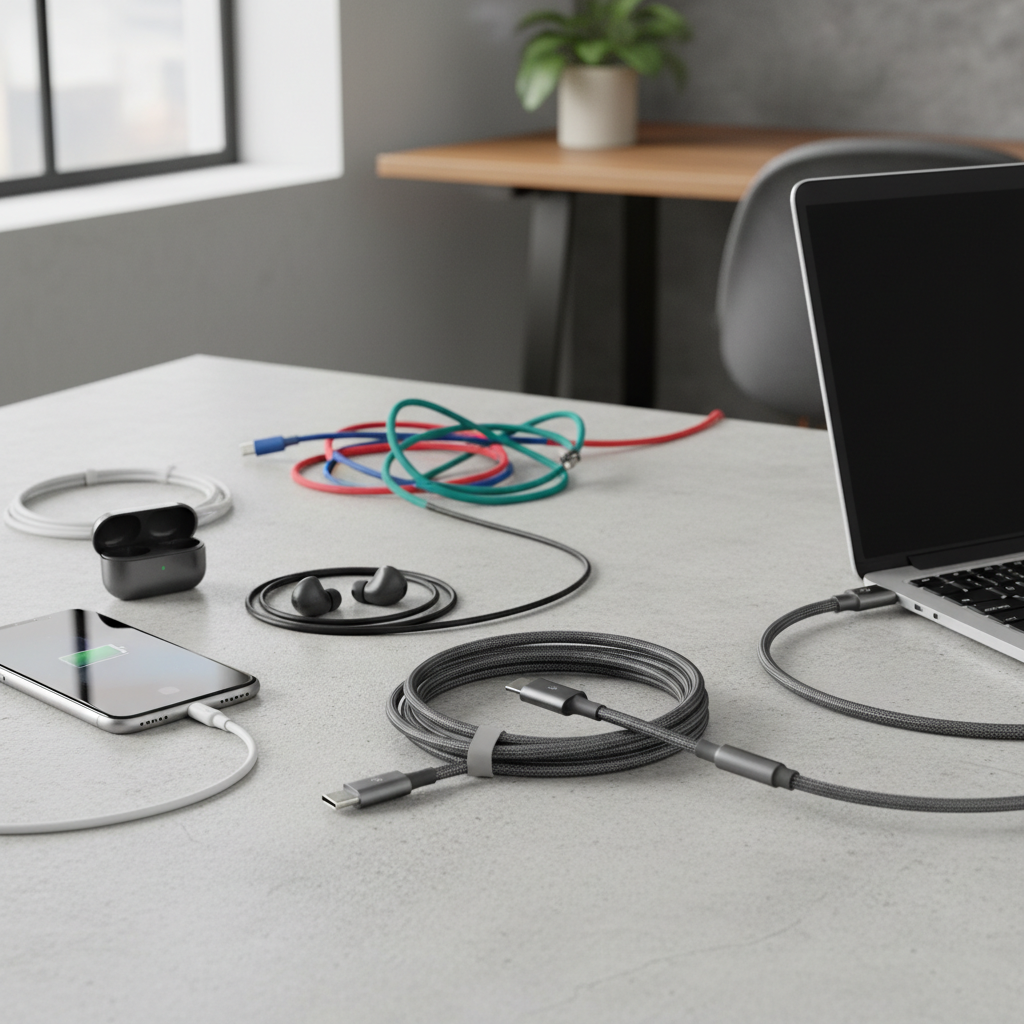
Charging cables are the conduits through which power flows from an adapter or power bank to your electronic devices. They bridge the gap between a power source and your gadget’s battery, enabling charging and often data transfer. Far from being uniform, these cables come in various types, each designed to meet specific device requirements and offer different functionalities. Understanding these distinctions is crucial for making informed choices.
The most common types of charging cables include USB-A, USB-C, Lightning, and Micro USB. USB-A is the traditional rectangular connector, often found on older chargers and computers, known for its widespread compatibility but slower speeds. USB-C is the newer, reversible, oval-shaped standard, rapidly gaining popularity due to its versatility, higher power delivery, and faster data transfer capabilities. Lightning cables are proprietary to Apple devices, offering robust design and seamless integration within the Apple ecosystem. Lastly, Micro USB was once prevalent on many Android and other portable devices but is now largely being phased out in favor of USB-C, primarily due to its slower speeds and non-reversible design. Each type serves a unique purpose, connecting billions of devices globally and underscoring their critical role in modern technology.
Key Factors When Choosing a Charging Cable
Selecting the right charging cable goes beyond simply matching the connector type. Several crucial factors influence a cable’s performance, durability, and ultimately, its value. Considering these elements can prevent frustration, extend the life of your devices, and ensure efficient power delivery.
Cable Material and Durability
|
Our Picks for the Best Charging cable in 2026
As an Amazon Associate I earn from qualifying purchases.
|
||
| Num | Product | Action |
|---|---|---|
| 1 | Anker Cable [2 Pack 6ft], USB A to USB C Cable for iPhone 17 Series,Samsung Galaxy S10 S10+, LG V30, Beats Fit Pro and More (Black). |
![Check Anker Cable [2 Pack 6ft], USB A to USB C Cable for iPhone 17 Series,Samsung Galaxy S10 S10+, LG V30, Beats Fit Pro and More (Black). on Amazon](https://reviewasc.com/wp-content/plugins/amazon-tables/assets/images/buy.png)
|
| 2 | LISEN USB C to USB C Cable, 240W C to C Cable Fast Charging [6.6FT, 2 Pack] Type C Charger Fast Charging USBC to USBC Cable for iPhone 17 16 15 Pro Max iPad MacBook Neo Air Pro Samsung S26 S25 Ultra |
|
| 3 | LISEN USB C to USB C Cable, 5-Pack [3.3/3.3/6.6/6.6/10FT] for iPhone 17 Charger Cord, 60W C to C Cable Fast Charging for iPad, iPhone 16 15 Pro Max, Galaxy S25/S24 USBC to USBC Cable Gifts for Men |
|
| 4 | Anker USB C to USB C Cable, Type-C 60W Fast Charging Cable (6 FT, 2Pack) for iPhone 17 Series, iPad mini 6 and More (Black) |
|
| 5 | Teeind USB Type C Cable Fast Charging, Tpc001 5 Pack(6Ft 3A) Braided C Charger Cables Compatible with Samsung S10e/note 9/s10/s9/s8 Plus/A80/A50/A20 |
|
| 6 | USB Type-C to A Cable 5pack 6ft Braided Fast Charging 3A Quick Charger Cord, 6 Foot Compatible iPhone 17/17 Pro/16e/16/15 Pro Max,Samsung Galaxy S10 S9 S8 Plus, Note 10 9 8, LG V50 V40 G8 G7(Grey) |
|
| 7 | INIU USB C to USB C Cable, 240W Fast Charging Type C Charger Cord, Braided USBC Phone Charger Cable for iPhone 17 16 Pro Max Samsung S26 S25 Laptops MacBook Air 15 M3 iPad Switch [6.6ft+6.6ft Black] |
|
| 8 | Durcord USB C Cable, Upgarded 2Pack 10ft Fast USB Type C Charging Cable for Android/Phone/Pad/Laptop, Type C Charger Braided USB Cable Compatible withi Phone 17/16/15/Pro/Plus/Max/Sam.Sung-Silver |
|
| 9 | AINOPE USB to USB C Cable [2-Pack, 6.6ft] 3.1A Type C Charger Fast Charging, Right Angle USB C Cable for iPhone 17 Carplay Cable, Galaxy S10+ S10 S9, Note 10 9, LG V30, Moto, iPhone 16 15 Charger Cord |
|
| 10 | iPhone Charger 3 Pack 10 ft Apple MFi Certified Lightning Nylon Braided Cable Fast Charging Cord Compatible with iPhone 13 12 11 Pro Max XR XS X 8 7 6 Plus SE iPad and More |
|
The construction materials of a charging cable significantly impact its longevity and resistance to wear and tear. Common materials include PVC (Polyvinyl Chloride), TPE (Thermoplastic Elastomer), and Nylon braiding. PVC is a basic, cost-effective option, but it tends to be stiff and prone to cracking or fraying over time, especially at stress points near the connectors. TPE offers more flexibility and a softer feel, providing better resistance to bends and twists than PVC, making it a good mid-range choice for everyday use.
Nylon-braided cables represent the premium end of durability. The woven nylon exterior provides exceptional strength and tangle resistance, protecting the inner wires from damage caused by bending, pulling, or crushing. These cables are often reinforced at the strain relief points, where the cable meets the connector housing, further extending their lifespan. To maximize a cable’s longevity, avoid sharp bends, excessive pulling, and always grasp the connector head when unplugging, rather than yanking the cable itself. Proper storage, such as coiling it loosely, also prevents internal wire damage and kinks, ensuring it remains functional for longer.
[image-1|durable-usb-c-cable-comparison|Durable USB-C cable comparison with different materials and reinforcements|
A close-up, high-angle shot showcasing three different charging cables: one made of standard PVC, another of flexible TPE, and a third with a robust nylon braided exterior, highlighting the reinforced connectors. The background is a clean, neutral surface, with soft, even lighting, in an editorial photography style.]
Compatibility and Charging Speed
Ensuring a cable is compatible with your device is fundamental, but also consider its support for modern fast-charging technologies. Not all cables are created equal when it comes to power delivery. While any compatible cable will charge your device, a high-quality cable is essential for achieving optimal charging speeds, especially with advanced charging standards.
Key fast-charging standards include Quick Charge (QC), developed by Qualcomm, and Power Delivery (PD), an open standard supported by USB-C. Quick Charge is common in many Android devices and chargers, allowing devices to charge significantly faster than conventional methods. Power Delivery, on the other hand, is increasingly prevalent in USB-C devices, capable of delivering up to 100W of power, making it suitable for charging laptops, tablets, and smartphones. To check if a cable supports fast charging, look for certifications like “USB-IF Certified” for Power Delivery cables or “QC 3.0/4.0/5.0” labeling. Additionally, a cable’s gauge (thickness of its internal wires) impacts its ability to carry current efficiently; thicker wires (lower AWG number) generally support faster charging with less resistance.
Cable Length and Design
The length and overall design of a charging cable greatly influence its practicality and user experience. Cables typically range from short (0.3 meters) to extra-long (3 meters or more). Shorter cables are ideal for portable power banks or minimalist desk setups, reducing clutter. Standard lengths (1 to 1.5 meters) offer a good balance for most everyday scenarios, such as charging by a bedside or desk. Longer cables provide greater flexibility, allowing you to use your device comfortably while it’s plugged into a distant outlet. However, excessively long cables can sometimes lead to slightly reduced charging efficiency due to increased electrical resistance, although this is usually negligible for standard phone charging.
Beyond length, various design elements enhance usability and durability. Angled connectors (90-degree elbows) can reduce strain on the cable and device port, especially when using a phone horizontally. Flat cables are less prone to tangling than round ones, while magnetic cables offer convenient attachment and detachment, potentially reducing wear on the device’s port. Some cables integrate LED indicators to show charging status, adding a touch of convenience. Ultimately, the best length and design depend on your specific usage habits and environment.
Comparison of Popular Charging Cables on the Market
Understanding the strengths and weaknesses of different cable types is crucial for making an informed purchasing decision. While all cables serve the basic function of charging, their compatibility, speed, and durability vary significantly.
Detailed Comparison Table
| Criteria | USB-A Cable | USB-C Cable | Lightning Cable | Micro USB Cable |
|---|---|---|---|---|
| Advantages | Inexpensive, widely compatible with older devices and chargers, universally recognized. | Fast charging & data transfer, reversible connector, versatile (charges many device types), future-proof. | Seamless Apple ecosystem integration, robust connector design, supports MFi certification. | Cost-effective, common on older Android phones and accessories, compact size. |
| Disadvantages | Slower charging speeds, non-reversible connector, limited power delivery capabilities, being phased out. | Higher initial cost, not fully compatible with older non-USB-C devices without adapters. | Exclusive to Apple devices, higher price point, proprietary technology. | Slowest charging and data transfer, non-reversible, prone to port damage over time due to wear. |
| Durability | Varies widely by material; basic PVC versions are less durable. | Excellent with braided materials and reinforced connectors; generally robust. | Good, especially with reinforced Apple-certified MFi cables; tends to fray less than basic USB-A. | Often less durable, especially at the connector, which can bend or break easily. |
| Compatibility | Limited to devices with USB-A ports (hosts) and various device-side connectors. | Broad compatibility across modern smartphones, laptops, tablets, and accessories. | Exclusively compatible with Apple iPhone, iPad, and iPod models (post-2012). | Limited to older Android, smart home, and small electronic devices; declining in use. |
Detailed Guide to Buying a Charging Cable (Buying Guide)
Navigating the vast market of charging cables can be daunting, but a structured approach can help you pinpoint the perfect cable for your needs. This buying guide walks you through the essential steps to ensure you make a smart investment.
Determine Usage Needs
Before diving into specifications, clarify how and where you’ll be using your charging cable. Are you primarily charging a smartphone by your bedside, or do you need a robust cable for a power-hungry laptop on the go? Consider the devices you own: an iPhone requires a Lightning cable (or USB-C for newer models), while most modern Android phones and laptops utilize USB-C. Do you prioritize rapid charging for quick top-ups, or is standard speed sufficient for overnight charging? Your environment also plays a role; a short, sturdy cable is ideal for a car, while a longer one offers flexibility in a living room. Identifying these specific requirements will narrow down your options significantly and prevent overspending on features you don’t need.
Learn About Reputable Brands
Choosing a cable from a reputable brand can save you from potential headaches associated with poor quality, slow charging, or even safety risks. Established brands often invest in better materials, rigorous testing, and adhere to industry standards. Some of the most recognized and trusted names in charging cables include Anker, Aukey, Belkin, Ugreen, and Native Union. Anker is celebrated for its wide range of durable and high-performance cables, often incorporating advanced charging technologies. Belkin is another long-standing player known for its reliability and MFi-certified Apple accessories. While these brands might come with a slightly higher price tag, they generally offer superior durability, faster charging speeds, and better peace of mind due to their adherence to safety protocols. Investing in a trusted brand often translates to a longer-lasting product and reliable performance.
“A cheap cable might save you a few dollars today, but it could cost you much more in device damage or replacement down the line. Always prioritize quality and safety certifications.” – Dr. Elena Petrova, Lead Electrical Engineer at ChargeTech Solutions
Check Technical Specifications and Safety Certifications
The devil is in the details when it comes to charging cables. Always examine the technical specifications listed by the manufacturer. Key specs include the cable’s current rating (e.g., 2A, 3A, 5A) and voltage support (e.g., 5V, 9V, 20V). For fast charging, ensure the cable supports the required power delivery (e.g., up to 60W or 100W for USB-C PD). It’s crucial that these specifications match or exceed the requirements of your charger and device to ensure safe and efficient charging.
Safety certifications are paramount. Look for certifications like CE (Conformité Européenne), FCC (Federal Communications Commission), and RoHS (Restriction of Hazardous Substances), which indicate the product complies with European, U.S., and hazardous material standards, respectively. For Apple devices, ensure the cable is MFi (Made For iPhone/iPad) certified, guaranteeing it meets Apple’s strict performance and safety requirements. These certifications are not merely labels; they signify that the cable has undergone testing to prevent overcharging, overheating, and short circuits, protecting both your device and your safety.
[image-2|certified-usb-c-cable-safety-logos|USB-C cable with safety certification logos and technical specs|
A top-down shot of a high-quality, braided USB-C charging cable laid out next to a small card displaying prominent safety certification logos (CE, FCC, RoHS, MFi) and key technical specifications like current and voltage. The background is a clean, minimalist surface, emphasizing the product details with bright, even studio lighting in an informative product photography style.]
Top Most Popular Charging Cables Today
The market is flooded with excellent charging cables, but a few consistently rise to the top due to their performance, durability, and user satisfaction. When considering a new charging cable, these popular options offer a great starting point for various needs and budgets.
For an all-around robust and versatile option, the Anker PowerLine III Flow USB-C to USB-C Cable is highly recommended. It boasts an incredibly flexible silicone exterior, making it soft to the touch and virtually tangle-free, while still offering exceptional durability. It supports Power Delivery up to 100W, making it suitable for charging laptops, tablets, and phones at maximum speeds. If you’re an Apple user, the Belkin BOOST↑CHARGE Pro Flex Braided USB-C to Lightning Cable is a top contender. This MFi-certified cable features a durable double-braided nylon exterior and silicone technology for enhanced flexibility, designed to withstand over 30,000 bends. It ensures optimal fast charging for iPhones and iPads and comes in various aesthetically pleasing colors.
For those seeking a more budget-friendly yet reliable choice, Amazon Basics USB-C to USB-A 3.1 Gen 2 Cable offers decent build quality and supports faster data transfer speeds alongside charging, making it a solid option for everyday use without breaking the bank. Ultimately, the “best” cable depends on your specific device ecosystem, desired charging speed, and how much you’re willing to invest in long-term durability and safety.
Conclusion
The question “Is a charging cable worth it?” ultimately boils down to valuing reliability, safety, and efficiency. While a basic, inexpensive cable might seem like a smart short-term saving, the potential for slow charging, poor durability, and even safety hazards makes it a false economy. Investing in a high-quality charging cable from a reputable brand, with appropriate certifications and robust materials, provides peace of mind, extends the life of your devices, and ensures optimal charging performance. From the rapid power delivery of USB-C to the steadfast reliability of MFi-certified Lightning cables, understanding the nuances of these essential accessories allows you to make a choice that truly powers your digital life.
What aspect of charging cables do you find most challenging when making a purchase decision?
Frequently Asked Questions
What makes some charging cables more expensive than others?
More expensive charging cables typically use higher-quality materials like nylon braiding or silicone, offer advanced safety features such as surge protection, include reinforced stress points for durability, and often support faster charging protocols like Power Delivery, ensuring efficient and safe power transfer.
Can a bad charging cable damage my phone’s battery?
Yes, a poorly made or damaged charging cable can potentially harm your phone’s battery. Substandard cables may not regulate current correctly, leading to inconsistent power delivery, overheating, or overcharging, all of which can degrade battery health over time or even pose a fire risk.
How long should a good charging cable last?
A good quality charging cable, especially one from a reputable brand with durable construction like nylon braiding and reinforced connectors, should typically last anywhere from 1 to 3 years or even longer with proper care. Basic PVC cables might only last a few months.
Is it better to use the original charging cable that came with my device?
While not always strictly necessary, using the original charging cable (or a certified equivalent from a reputable brand) is generally recommended. Original cables are specifically designed and tested to work optimally and safely with your device, ensuring proper charging speeds and preventing potential damage.
Should I choose a longer or shorter charging cable?
The ideal cable length depends on your usage. Shorter cables (under 1 meter) are convenient for power banks or desktop use, reducing clutter. Longer cables (1.5-3 meters) offer more flexibility, allowing you to use your device comfortably from a distant outlet. Consider where you’ll most often charge your device.