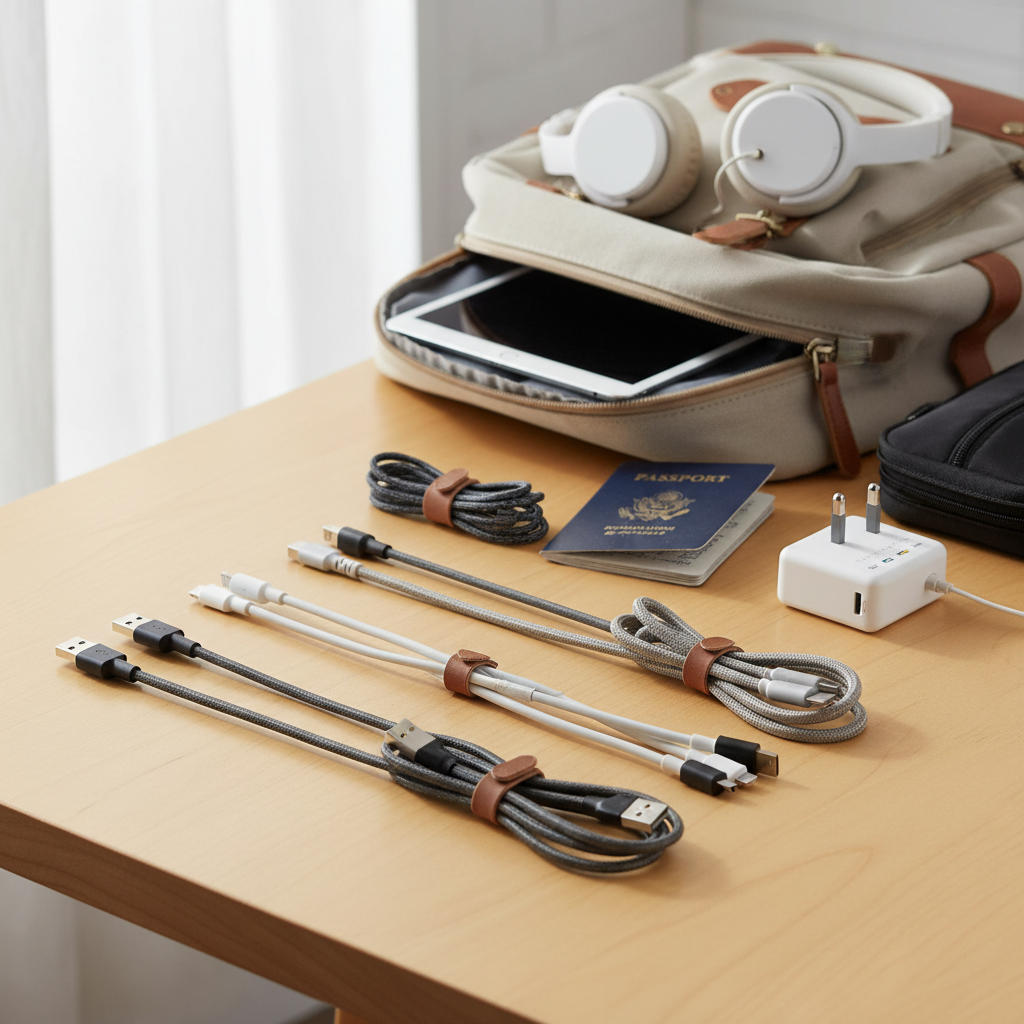
Selecting the right charging cable might seem like a trivial task, but in our increasingly connected world, it’s a decision that impacts everything from device longevity to personal safety and daily convenience. With a myriad of options flooding the market, from budget-friendly finds to premium, high-speed alternatives, navigating the choices can be overwhelming. This comprehensive guide will equip you with the essential knowledge and practical tips needed to confidently choose a charging cable that not only meets your needs but also offers durability, efficiency, and peace of mind for all your home devices. Let’s delve into the crucial factors to consider, ensuring your charging experience is always optimal and secure.
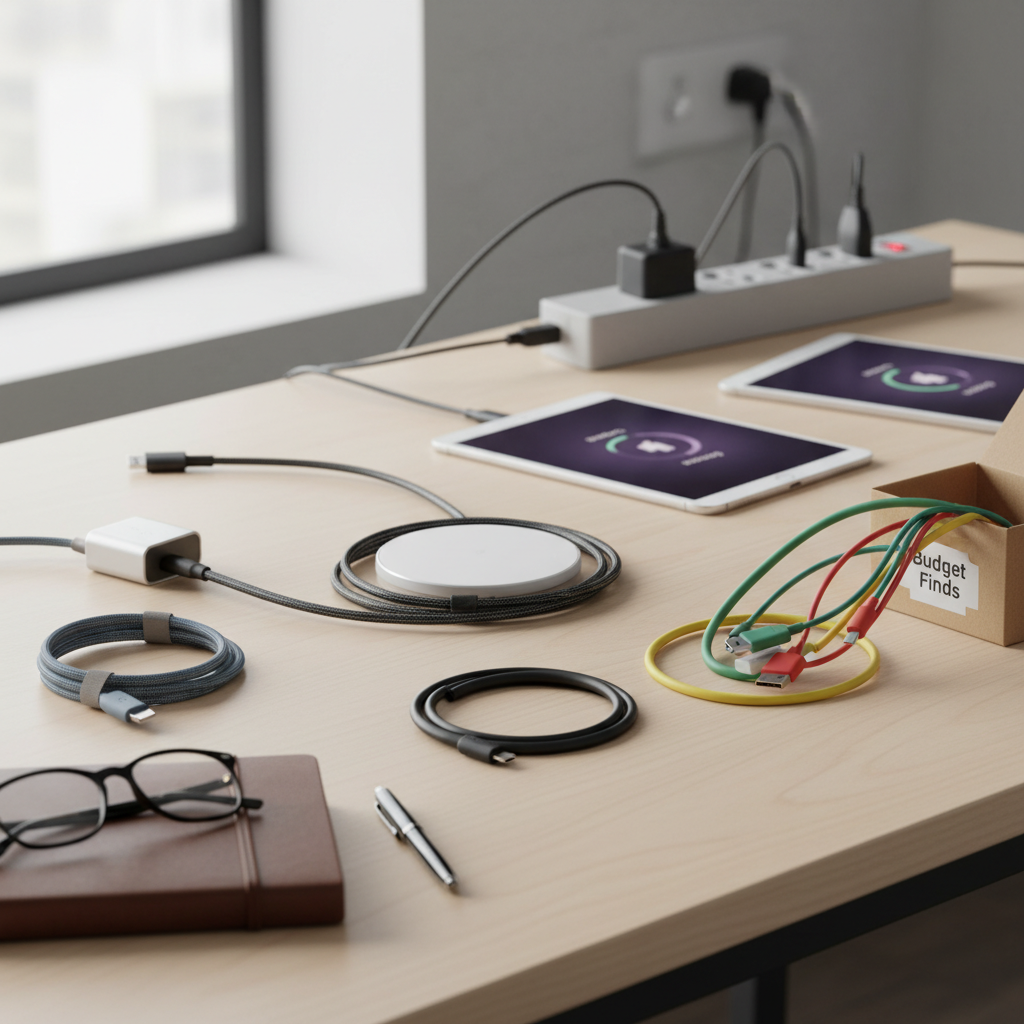
Charging Cable: Overview and Essential Knowledge
A charging cable is more than just a wire; it’s the lifeline connecting your devices to power, facilitating everything from quick data transfers to essential battery recharges. Understanding its role and the various types available is crucial for making informed choices. These cables are fundamental components of our digital lives, enabling seamless interaction with our smartphones, tablets, laptops, and various smart home gadgets.
Modern charging cables come in several prevalent types, each designed for specific connectivity and power delivery needs. The most common varieties you’ll encounter include USB-A, USB-C, Lightning, and Micro USB. Each type boasts unique features and is compatible with different generations and brands of devices, shaping your charging experience.
Popular Charging Cable Types and Their Differences
|
Our Picks for the Best Charging cable in 2026
As an Amazon Associate I earn from qualifying purchases.
|
||
| Num | Product | Action |
|---|---|---|
| 1 | Teeind USB Type C Cable Fast Charging, Tpc001 5 Pack(6Ft 3A) Braided C Charger Cables Compatible with Samsung S10e/note 9/s10/s9/s8 Plus/A80/A50/A20 |

|
| 2 | LISEN USB C to USB C Cable, 5-Pack [3.3/3.3/6.6/6.6/10FT] for iPhone 17 Charger Cord, 60W C to C Cable Fast Charging for iPad, iPhone 16 15 Pro Max, Galaxy S25/S24 USBC to USBC Cable Gifts for Men |
|
| 3 | Durcord USB C Cable, Upgarded 2Pack 10ft Fast USB Type C Charging Cable for Android/Phone/Pad/Laptop, Type C Charger Braided USB Cable Compatible withi Phone 17/16/15/Pro/Plus/Max/Sam.Sung-Silver |
|
| 4 | AINOPE USB to USB C Cable [2-Pack, 6.6ft] 3.1A Type C Charger Fast Charging, Right Angle USB C Cable for iPhone 17 Carplay Cable, Galaxy S10+ S10 S9, Note 10 9, LG V30, Moto, iPhone 16 15 Charger Cord |
|
| 5 | INIU USB C to USB C Cable, 240W Fast Charging Type C Charger Cord, Braided USBC Phone Charger Cable for iPhone 17 16 Pro Max Samsung S26 S25 Laptops MacBook Air 15 M3 iPad Switch [6.6ft+6.6ft Black] |
|
| 6 | Anker USB C to USB C Cable, Type-C 60W Fast Charging Cable (6 FT, 2Pack) for iPhone 17 Series, iPad mini 6 and More (Black) |
|
| 7 | Anker Cable [2 Pack 6ft], USB A to USB C Cable for iPhone 17 Series,Samsung Galaxy S10 S10+, LG V30, Beats Fit Pro and More (Black). |
|
| 8 | iPhone Charger 3 Pack 10 ft Apple MFi Certified Lightning Nylon Braided Cable Fast Charging Cord Compatible with iPhone 13 12 11 Pro Max XR XS X 8 7 6 Plus SE iPad and More |
|
| 9 | USB Type-C to A Cable 5pack 6ft Braided Fast Charging 3A Quick Charger Cord, 6 Foot Compatible iPhone 17/17 Pro/16e/16/15 Pro Max,Samsung Galaxy S10 S9 S8 Plus, Note 10 9 8, LG V50 V40 G8 G7(Grey) |
|
| 10 | LISEN USB C to USB C Cable, 240W C to C Cable Fast Charging [6.6FT, 2 Pack] Type C Charger Fast Charging USBC to USBC Cable for iPhone 17 16 15 Pro Max iPad MacBook Neo Air Pro Samsung S26 S25 Ultra |
|
USB-A
USB-A cables feature the classic rectangular connector, familiar to anyone who has used a computer peripheral or older charging block. Its widespread presence means it’s compatible with a vast array of devices and power adapters. However, USB-A typically offers slower data transfer and charging speeds compared to newer standards, and its unidirectional design means you have to plug it in the right way up.
USB-C
USB-C has emerged as the industry standard for its versatility and robust performance. This reversible connector can be plugged in either way, eliminating frustration. More importantly, USB-C supports significantly faster charging (including Power Delivery) and data transfer speeds, making it ideal for everything from smartphones to laptops and even monitors. Its universality is rapidly making it the go-to choice for new electronics.
Lightning
Exclusive to Apple devices, Lightning cables feature a compact, reversible connector. While proprietary, Lightning cables offer reliable charging and data sync for iPhones, iPads, and other Apple accessories. The ecosystem ensures seamless compatibility within Apple’s product line, though it means carrying an additional cable type if you own non-Apple gadgets.
Micro USB
Micro USB was once the dominant standard for many non-Apple smartphones, tablets, and accessories. It features a smaller, trapezoidal connector than USB-A. While still found on older or lower-cost devices, its slow charging speeds and fragile design have largely led to its replacement by USB-C in newer devices.
Each cable type has its own set of advantages and disadvantages. USB-A is affordable and ubiquitous but lacks speed. USB-C offers speed and versatility at a higher cost. Lightning provides seamless Apple integration but limited cross-device use. Micro USB is compatible with older devices but is generally slower and less durable.
Crucial Factors When Choosing a Charging Cable
Selecting the right charging cable involves more than just picking the first one you see. Several key factors contribute to a cable’s performance, durability, and suitability for your specific devices and lifestyle. Understanding these elements ensures you make an investment that pays off in the long run with reliable power.
[image-1|charging-cable-materials-durability|An close-up image showing different charging cable materials, highlighting PVC, TPE, and braided nylon textures for durability comparison.|
A detailed close-up shot of three different charging cables laid side by side. One cable should clearly show a smooth, matte PVC jacket, another a slightly more flexible, rubbery TPE material, and the third a tightly woven, durable braided nylon sleeve. The focus should be on the texture and construction of each material, under bright, even lighting to showcase their differences. Editorial style, product photography aesthetics.]
Cable Material and Durability
The construction material of a charging cable significantly impacts its lifespan and resistance to wear and tear. A robust cable can withstand daily bends, pulls, and twists, saving you the hassle and cost of frequent replacements. Investing in a cable with superior material is a smart long-term decision for any home setup.
Common materials used in cable manufacturing include PVC (Polyvinyl Chloride), TPE (Thermoplastic Elastomer), and braided nylon. PVC cables are often the most affordable and are found on many stock cables. They are somewhat flexible but can stiffen over time and are prone to cracking or fraying at the connectors with repeated stress. TPE cables offer more flexibility and a softer feel, providing better resistance to tangles and minor damage than PVC. Nylon braided cables are generally considered the most durable option. The woven nylon exterior provides an additional layer of protection, making them highly resistant to kinking, fraying, and pet damage, often leading to a much longer lifespan.
To maximize your cable’s longevity, always handle it gently by gripping the connector, not the cable itself, when unplugging. Avoid sharp bends, especially near the connector points, and store cables neatly to prevent tangles and undue stress. Disconnecting your devices when not in use can also reduce wear.
Compatibility and Charging Speed
Ensuring your charging cable is compatible with your device and charger is paramount for optimal performance and safety. An incompatible cable might not charge at all, or worse, it could damage your device or charge very slowly. Always verify the connector type (USB-C, Lightning, etc.) matches both ends.
Beyond physical compatibility, understanding charging standards is crucial for achieving fast charging speeds. Key standards include Qualcomm’s Quick Charge (QC) and USB Power Delivery (PD). Quick Charge is primarily found on Android devices and chargers, offering rapid charging by dynamically adjusting voltage. USB Power Delivery, often associated with USB-C, is a more universal standard that can deliver significantly higher power levels, making it suitable for everything from phones to laptops. Some cables also specify support for Samsung’s Adaptive Fast Charging or Apple’s fast charging protocols.
To check if a cable supports fast charging, look for specific labels on its packaging, such as “PD compatible,” “Quick Charge 3.0/4.0,” or wattage ratings (e.g., “60W,” “100W”). Additionally, ensure both your device and your power adapter also support the same fast-charging standard and wattage. A cable rated for 100W PD won’t achieve that speed if your charger only outputs 30W, or your device only accepts 20W. “Choosing the right cable is about matching the weakest link in your charging chain. If your charger, cable, or device can’t handle the speed, you won’t get it.” – Dr. Elena Petrova, Lead Electrical Engineer.
Cable Length and Design
The length and design of your charging cable play a significant role in its practicality and convenience for home use. The ideal length depends entirely on your specific setup and where you typically charge your devices.
For charging on a bedside table, a shorter cable (e.g., 1-2 feet) might be perfect, minimizing clutter. If you need to use your device while it’s plugged into a wall outlet across the room or from a desk, a longer cable (e.g., 6-10 feet) offers much-needed flexibility. Be mindful that excessively long cables can sometimes experience a slight voltage drop, potentially affecting charging speed, though this is usually negligible for standard phone charging. Consider where you’ll be charging and how far the outlet is from your typical usage spot.
Beyond length, various design elements can enhance a cable’s durability and user experience. Reinforced stress points, particularly where the cable meets the connector, are vital for preventing fraying. Some cables feature right-angle connectors, which can be beneficial for gaming or watching videos while charging, as they reduce strain on the cable and make the device more comfortable to hold. Other special features include LED indicators to confirm charging status, magnetic tips for easy attachment, or even retractable designs for ultimate portability and tangle-free storage.
Comparing Popular Charging Cable Types on the Market
Understanding the nuances between different charging cable types is essential for making an informed decision. While we’ve touched on their individual characteristics, a direct comparison highlights their strengths and weaknesses side-by-side. This allows you to quickly assess which cable best suits your device ecosystem and charging preferences.
Detailed Comparison Table
| Criterion | USB-A Cables | USB-C Cables | Lightning Cables | Micro USB Cables |
|---|---|---|---|---|
| Advantages | Inexpensive, highly common, wide compatibility with older chargers/devices | Fast charging (PD), fast data transfer, reversible connector, universal standard | Exclusive Apple compatibility, reversible, durable connector design | Widely compatible with older, budget devices, inexpensive |
| Disadvantages | Slower charging & data transfer, not reversible, bulky connector | Potentially higher initial cost, not universal for all legacy devices | Proprietary (Apple only), typically more expensive than generic USB-C/Micro USB | Slower charging & data transfer, fragile connector, not reversible |
| Durability (General) | Varies by material; often basic PVC, prone to fraying | Varies by material; often higher quality with better strain relief | Good; Apple’s design is robust, but cable insulation can still fray over time | Generally poor; connector easily damaged, frequent replacement needed |
| Compatibility | Limited to USB-A ports, older devices, and peripherals | Broadest compatibility (phones, tablets, laptops, accessories, monitors) | Exclusively Apple iPhones, iPads, AirPods, and specific accessories | Mostly older Android phones, cameras, e-readers, power banks |
This table provides a quick reference to help you weigh the pros and cons of each type. For instance, if you’re primarily an Apple user, Lightning is a given. If you have a mix of new Android phones, a laptop, and other gadgets, USB-C is likely your best bet for its versatility. If you’re reviving an old device, Micro USB might be the only option.
Comprehensive Charging Cable Buying Guide
Navigating the vast market of charging cables can be simplified by following a structured approach. This buying guide will walk you through the steps to identify your specific needs, explore reputable brands, and verify critical technical specifications, ensuring you purchase a safe and effective charging solution for your home.
Determining Your Usage Needs
Before you even begin looking at specific cables, take a moment to assess your charging habits and device ecosystem. This foundational step will narrow down your options significantly and prevent unnecessary purchases.
Start by listing all the devices you need to charge. Are they primarily smartphones, tablets, laptops, e-readers, smartwatches, or a mix? What type of port does each device have (USB-C, Lightning, Micro USB)? Next, consider your charging speed requirements. Do you prioritize rapid charging for quick top-ups, or is standard speed sufficient for overnight charging? Finally, think about the desired cable length. Will you be charging primarily next to an outlet, or do you need extra reach to use your device while it’s plugged in across the room? Answering these questions will provide a clear roadmap for your search.
Researching Reputable Brands
Opting for cables from well-known and respected brands often guarantees better quality, durability, and safety features. While generic cables might be cheaper upfront, they often fall short in performance and longevity, potentially risking your devices.
Some of the most reputable charging cable brands include Anker, Aukey, Belkin, and Native Union. Anker is widely praised for its high-quality, durable cables and power accessories, often featuring reinforced stress points and braided designs. Aukey offers a similar range of reliable and often more affordable charging solutions. Belkin is known for its strong focus on Apple compatibility and MFi (Made For iPhone/iPad) certified products, ensuring seamless integration and safety for iOS devices. Native Union provides premium, stylish, and highly durable cables with unique design elements. Always check recent reviews and warranty information when considering a brand to ensure ongoing customer satisfaction and support.
Checking Technical Specifications and Safety Certifications
The technical specifications and safety certifications of a charging cable are non-negotiable for ensuring both optimal performance and, more critically, the safety of your devices and home. Overlooking these details can lead to inefficient charging, device damage, or even fire hazards.
Always ensure the cable carries relevant safety certifications such as CE (Conformité Européenne), FCC (Federal Communications Commission), and RoHS (Restriction of Hazardous Substances). For Apple devices, look for MFi (Made For iPhone/iPad) certification, which guarantees the cable meets Apple’s stringent performance and safety standards. Check the cable’s voltage (V) and current (A) ratings, often expressed as wattage (W = V x A), to ensure it matches or exceeds your device’s charging requirements. For example, a laptop requiring 60W Power Delivery needs a cable rated for at least 60W. Additionally, for data transfer, look for USB versions (e.g., USB 2.0, USB 3.0, USB 3.1, USB 3.2, or Thunderbolt) if high-speed file transfers are important to you. A good quality cable will always clearly display these specifications on its packaging.
Top-Rated Charging Cables for Your Home Today
In a market saturated with options, identifying the best charging cables can be challenging. Based on extensive research, user reviews, and expert recommendations, here are some of the most highly-regarded charging cables available, catering to different needs and budgets.
For a reliable and robust USB-C solution, the Anker PowerLine III Flow USB-C to USB-C Cable is an excellent choice. It features a soft, silicone finish that resists tangles and boasts exceptional durability, supporting up to 100W Power Delivery, making it suitable for laptops, tablets, and phones. If you’re an Apple user, the Belkin BOOST↑CHARGE Flex Lightning to USB-C Cable is a top contender. MFi certified, it offers fast charging for iPhones and iPads and features a flexible, silicone construction designed to withstand over 25,000 bends, ensuring long-term reliability.
For those seeking a versatile and budget-friendly option, a multi-pack of Amazon Basics USB-A to USB-C Braided Nylon Cables provides good value. While not always supporting the highest wattage PD, they are well-built for everyday charging and come in various lengths. Finally, for a premium, design-focused choice, the Native Union Belt Cable Pro USB-C to USB-C offers both aesthetic appeal and outstanding durability with its braided design and included leather strap for tidy storage, supporting up to 100W PD.
These selections balance performance, durability, and value, ensuring there’s a great option for every home and device.
Conclusion
Choosing the right charging cable for your home is an investment in the longevity of your devices, the efficiency of your charging, and the safety of your living space. By understanding the different types of cables, evaluating critical factors like material durability, compatibility, and charging speed, and consulting reputable brands and technical specifications, you can make a decision that perfectly aligns with your needs. Always prioritize safety certifications and robust construction to ensure your charging cable serves you reliably for years to come. Don’t compromise on quality when it comes to powering your essential electronics.
What specific charging challenges are you currently facing in your home setup?
Frequently Asked Questions
What is the difference between USB-C and Lightning cables?
USB-C is a universal, reversible connector supporting fast charging and data for various devices, including Android phones, laptops, and tablets. Lightning is Apple’s proprietary, reversible connector used exclusively for iPhones, iPads, and other Apple accessories, supporting Apple’s specific charging protocols.
How can I tell if a charging cable is high quality?
High-quality charging cables typically feature reinforced stress points at the connectors, braided nylon exteriors for durability, and clear safety certifications (CE, FCC, RoHS, MFi). They will also clearly state their charging speed (wattage) and data transfer capabilities on the packaging.
Does cable length affect charging speed?
For typical phone and tablet charging, minor variations in cable length (e.g., 3ft vs. 6ft) usually do not significantly affect charging speed. However, very long cables (e.g., 10ft or more) can sometimes experience a negligible voltage drop, potentially leading to slightly slower charging, especially for high-power devices like laptops.
What does “MFi Certified” mean for Apple cables?
“MFi Certified” stands for “Made For iPhone/iPad.” It means the cable has been tested and approved by Apple to meet their strict performance and safety standards. Using MFi-certified cables ensures full compatibility, safe charging, and reliable data transfer for your Apple devices, avoiding potential issues with non-certified accessories.