In our increasingly connected world, the dread of a dying device battery is all too familiar. Whether for work, communication, or entertainment, keeping our gadgets powered is crucial, making portable charging solutions indispensable. The primary contenders in this fight against low battery are the reliable charging cable, often paired with a wall adapter, and the versatile battery backup, commonly known as a power bank. Deciding between these two essential tools isn’t always straightforward, as each offers distinct advantages and caters to different user needs. This comprehensive guide will explore the nuances of both charging cables and battery backups, helping you determine which is the best fit for your lifestyle and usage habits.
Charging Cable vs. Battery Backup: An Overview
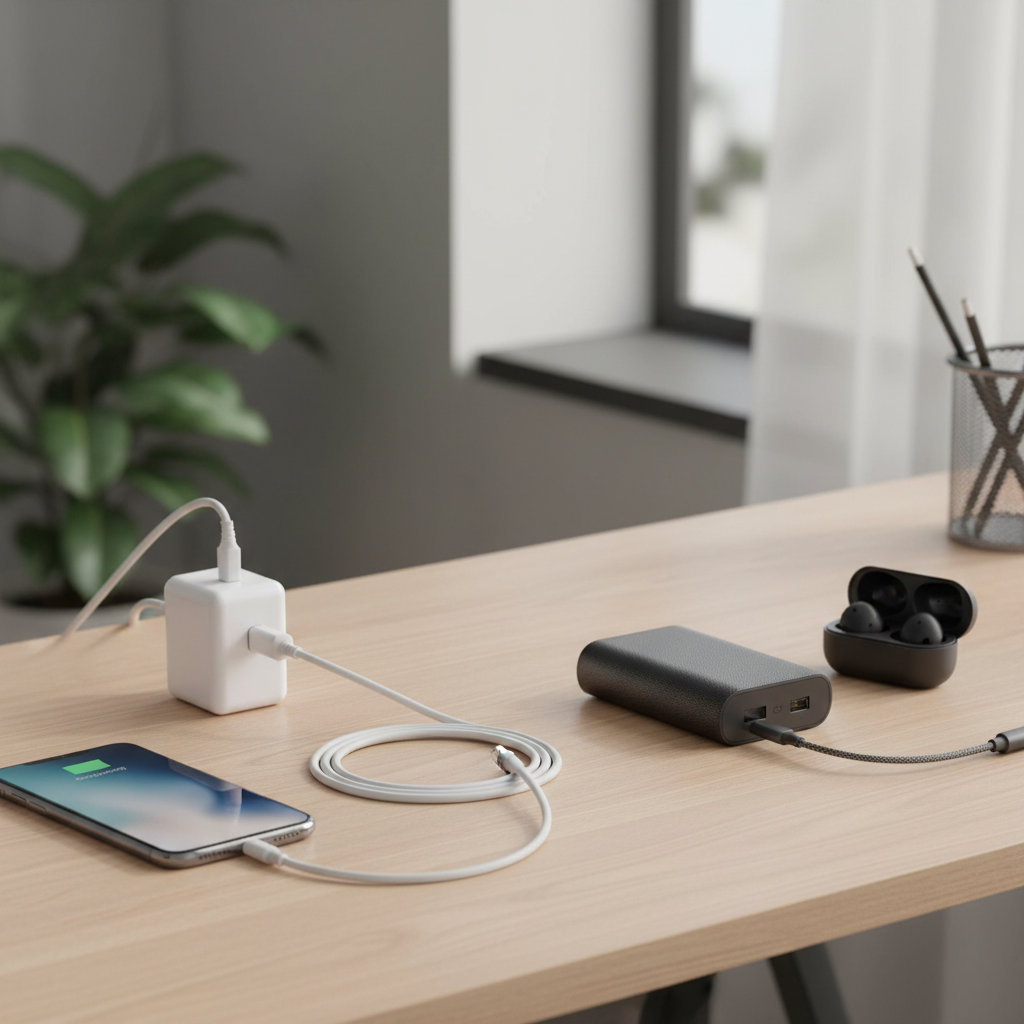
Understanding the fundamental differences between a charging cable (typically connected to a wall adapter) and a battery backup (power bank) is key to making an informed choice. A charging cable facilitates a direct transfer of power from an external electrical source, such as a wall outlet, to your device. This method relies on readily available infrastructure and is a staple for charging at home, work, or any location with a power socket. In contrast, a battery backup is a self-contained, portable power source designed to store electrical energy and deliver it to your devices when an outlet isn’t accessible. It acts as a mobile reservoir of power, offering freedom from fixed charging points.
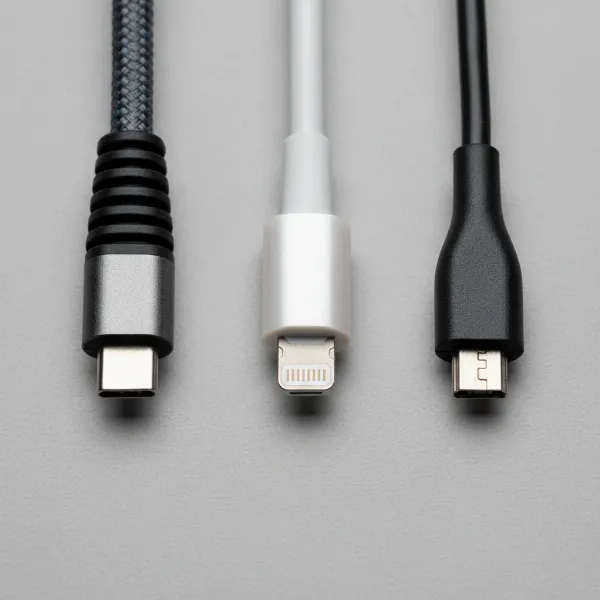
The evolution of both technologies has brought faster charging speeds, improved safety features, and greater compatibility across various devices. USB-C has emerged as a near-universal standard, supporting high-speed charging and data transfer, while Lightning cables remain essential for Apple’s ecosystem. Battery backups have also advanced, now offering a range of capacities, multiple output ports, and even wireless charging capabilities. The choice often boils down to a balance between convenience, portability, and sustained power access.
Key Factors When Choosing Your Power Solution
When deciding between a charging cable and a battery backup, several critical factors should guide your decision, ensuring the solution aligns perfectly with your daily demands.
Portability and Convenience
|
Our Picks for the Best Charging cable in 2026
As an Amazon Associate I earn from qualifying purchases.
|
||
| Num | Product | Action |
|---|---|---|
| 1 | USB Type-C to A Cable 5pack 6ft Braided Fast Charging 3A Quick Charger Cord, 6 Foot Compatible iPhone 17/17 Pro/16e/16/15 Pro Max,Samsung Galaxy S10 S9 S8 Plus, Note 10 9 8, LG V50 V40 G8 G7(Grey) |

|
| 2 | Anker Cable [2 Pack 6ft], USB A to USB C Cable for iPhone 17 Series,Samsung Galaxy S10 S10+, LG V30, Beats Fit Pro and More (Black). |
|
| 3 | LISEN USB C to USB C Cable, 5-Pack [3.3/3.3/6.6/6.6/10FT] for iPhone 17 Charger Cord, 60W C to C Cable Fast Charging for iPad, iPhone 16 15 Pro Max, Galaxy S25/S24 USBC to USBC Cable Gifts for Men |
|
| 4 | iPhone Charger 3 Pack 10 ft Apple MFi Certified Lightning Nylon Braided Cable Fast Charging Cord Compatible with iPhone 13 12 11 Pro Max XR XS X 8 7 6 Plus SE iPad and More |
|
| 5 | LISEN USB C to USB C Cable, 240W C to C Cable Fast Charging [6.6FT, 2 Pack] Type C Charger Fast Charging USBC to USBC Cable for iPhone 17 16 15 Pro Max iPad MacBook Neo Air Pro Samsung S26 S25 Ultra |
|
| 6 | INIU USB C to USB C Cable, 240W Fast Charging Type C Charger Cord, Braided USBC Phone Charger Cable for iPhone 17 16 Pro Max Samsung S26 S25 Laptops MacBook Air 15 M3 iPad Switch [6.6ft+6.6ft Black] |
|
| 7 | AINOPE USB to USB C Cable [2-Pack, 6.6ft] 3.1A Type C Charger Fast Charging, Right Angle USB C Cable for iPhone 17 Carplay Cable, Galaxy S10+ S10 S9, Note 10 9, LG V30, Moto, iPhone 16 15 Charger Cord |
|
| 8 | Anker USB C to USB C Cable, Type-C 60W Fast Charging Cable (6 FT, 2Pack) for iPhone 17 Series, iPad mini 6 and More (Black) |
|
| 9 | Durcord USB C Cable, Upgarded 2Pack 10ft Fast USB Type C Charging Cable for Android/Phone/Pad/Laptop, Type C Charger Braided USB Cable Compatible withi Phone 17/16/15/Pro/Plus/Max/Sam.Sung-Silver |
|
| 10 | Teeind USB Type C Cable Fast Charging, Tpc001 5 Pack(6Ft 3A) Braided C Charger Cables Compatible with Samsung S10e/note 9/s10/s9/s8 Plus/A80/A50/A20 |
|
The ability to charge your devices anywhere, anytime, is a significant differentiator. Charging cables offer convenience when an outlet is present, providing a constant power supply without worrying about recharging the charger itself. They are compact, lightweight, and easy to pack, making them ideal for everyday use at home or in the office. However, their utility is strictly tied to the availability of an electrical outlet, limiting their use in transit or during power outages.
Battery backups, by their very nature, excel in portability. They grant the freedom to charge on the go, making them invaluable for travelers, commuters, and anyone frequently away from power sources. While smaller power banks are highly portable, high-capacity models can be bulkier and heavier, impacting ease of carrying. The trade-off is the need to remember to charge the power bank itself to ensure it’s ready when needed.
Charging Speed and Efficiency
For many users, charging speed is a paramount concern. Traditional wall chargers, especially modern fast chargers, are designed to deliver power quickly and efficiently to your device. They benefit from a direct, consistent power input, minimizing energy loss during the transfer process. This makes them the go-to option when time is of the essence and a power outlet is available. Devices can often reach significant charge levels in a short amount of time using a dedicated wall adapter and compatible charging cable.
Battery backups, while increasingly incorporating fast-charging technologies, can sometimes charge devices more slowly than a direct wall connection, especially when charging multiple devices simultaneously. The power bank itself also requires several hours to fully recharge, which needs to be factored into your usage planning. Furthermore, power banks can experience some energy loss during the transfer process, meaning the stored energy isn’t entirely converted into device power.
Cost and Durability
Generally, individual charging cables and wall adapters are more affordable than battery backups, particularly when comparing entry-level options. Their simpler design often translates to a longer lifespan, with fewer internal components susceptible to degradation compared to the complex battery cells within a power bank. A quality charging cable, if well-maintained, can last for years.
Battery backups, especially those with high capacity and advanced features, tend to have a higher initial cost. Their lifespan is also typically shorter than traditional chargers, as the internal battery cells degrade over time with charge and discharge cycles. While robust power banks are available, their portability also exposes them to more wear and tear, making build quality an important consideration.
[image-1|charging-cable-vs-battery-backup-choice|A person pondering between a tangled charging cable and a sleek power bank on a desk, representing choice and modern charging dilemmas.|
A person with a thoughtful expression is looking at two objects on a minimalist wooden desk. On the left is a neatly coiled but still visibly long charging cable connected to a wall adapter, implying a static power source. On the right, a sleek, modern power bank with multiple ports. The person’s hand is hovering between the two, suggesting a choice. The background is blurred office setting, soft natural light, realistic, editorial style.]
Charging Cable vs. Battery Backup: A Detailed Comparison
To highlight their distinct roles, let’s look at a comparative overview of how charging cables (with wall adapters) and battery backups stack up against each other across key criteria.
Comparison Table: Charging Cable vs. Battery Backup
| Feature | Charging Cable (with Wall Adapter) | Battery Backup (Power Bank) |
|---|---|---|
| Power Source | Relies on external electrical outlet | Self-contained internal battery |
| Portability | High when compact, but tied to outlets | High, offers true on-the-go charging |
| Charging Speed | Generally faster and more efficient for devices | Varies; can be slower, especially when recharging the unit |
| Availability | Always ready if an outlet is present | Requires pre-charging; may run out of power |
| Versatility | Often device-specific (adapter/port type) | Highly versatile, multiple ports for various devices |
| Cost | Generally lower initial cost | Higher initial cost, especially for high capacity |
| Lifespan | Longer lifespan due to simpler components and no internal battery | Shorter lifespan due to battery degradation |
| Size/Weight | Compact and lightweight | Can be bulkier and heavier, especially high-capacity models |
| Energy Loss | Minimal | Some energy loss during transfer |
| Best Use Case | Home, office, places with stable power access | Travel, commutes, outdoor activities, emergencies, power outages |
This comparison underscores that neither option is universally “better”; rather, their superiority depends on the context of use.
Making the Right Choice: A Buying Guide
Selecting the best power solution involves a careful assessment of your personal usage patterns and priorities.
Assess Your Charging Needs
Start by evaluating how and where you typically charge your devices.
- Location: Are you mostly at home or in an office with consistent access to wall outlets? Or are you frequently on the move, commuting, traveling, or spending time outdoors?
- Frequency: How often do your devices run low on battery, and how critical is it to have them charged at all times?
- Devices: How many devices do you need to charge, and what are their power requirements (smartphone, tablet, laptop, smartwatch)? High-power devices like laptops require power banks with higher output.
- Speed: Is rapid charging a top priority for you?
For consistent, stationary charging where outlets are plentiful, a reliable charging cable with a fast-charging adapter is often the most practical and efficient choice. However, if your lifestyle involves significant time away from power outlets, a battery backup becomes an indispensable tool.
Consider Reputable Brands and Safety Certifications
Regardless of your choice, prioritizing quality from reputable brands is crucial for safety and performance. Brands like Anker, Aukey, Belkin, and RAVPower are well-regarded for producing durable and efficient charging accessories. These companies often adhere to strict manufacturing standards and offer product warranties.
Always check for safety certifications such as CE, FCC, and RoHS. These certifications indicate that the product meets specific safety, health, and environmental protection standards. For cables and adapters, ensure they support the appropriate voltage and amperage for your devices to prevent damage or slow charging. For power banks, look for features like overcharge protection, short-circuit protection, and temperature control to ensure safe operation. Investing in a certified product safeguards both your devices and your personal safety.
Top Power Solutions for Every Need
While personal preference dictates the ultimate choice, here are some general recommendations for popular and reliable charging solutions:
- For Everyday Home/Office Use: A high-quality USB-C PD (Power Delivery) wall charger with a durable braided USB-C to USB-C or USB-C to Lightning cable. These offer rapid charging for most modern smartphones, tablets, and even some laptops.
- For the Frequent Traveler/Commuter: A compact, high-capacity power bank (10,000mAh to 20,000mAh) with multiple output ports, including a USB-C PD port. Look for models that support pass-through charging, allowing you to charge the power bank and a device simultaneously.
- For Outdoor Enthusiasts/Emergencies: A rugged, higher-capacity power bank (20,000mAh+) with features like water resistance and possibly even built-in solar charging capabilities for extended off-grid use.
Conclusion
The decision between a charging cable and a battery backup isn’t about one being inherently superior, but rather which solution best complements your individual needs and daily routine. Charging cables, paired with powerful wall adapters, remain the most efficient and readily available option for stationary power, offering fast and reliable charging when an outlet is within reach. Battery backups, on the other hand, provide unparalleled freedom and flexibility, ensuring your devices stay powered even when far from a wall socket.
Ultimately, for most modern users, the ideal solution often involves a combination of both: a robust charging cable setup for daily home and office use, and a reliable power bank for travel, commutes, and any situation demanding portable power. By carefully considering your charging habits, device requirements, and the importance of portability versus continuous power, you can confidently choose the power solution that keeps you connected, always.
What is your primary charging challenge—speed, portability, or something else entirely?
Frequently Asked Questions
Is it bad to leave my phone plugged into a power bank overnight?
It is generally safe to leave modern smartphones connected to power banks overnight. Most quality power banks and smartphones have built-in safety features like overcharge protection, which stops charging once the device battery is full, preventing damage.
How do I know what capacity power bank I need?
The capacity you need depends on your devices and how many charges you anticipate. A 10,000mAh power bank can typically charge a smartphone 2-3 times, while a 20,000mAh unit can offer 4-6 charges. For tablets or laptops, you’ll need higher capacities (20,000mAh+).
Can I use any charging cable with any wall adapter or power bank?
While many cables and adapters are cross-compatible, it’s best to use cables and adapters that match your device’s charging standards (e.g., USB-C PD for fast charging). Mismatched accessories might charge slowly or, in rare cases, not at all.
Do power banks lose charge when not in use?
Yes, power banks experience self-discharge, meaning they slowly lose charge even when not in use. The rate varies depending on the battery quality and type, but most power banks will retain a significant charge for several weeks or months.
What is the difference between a portable charger and a power bank?
The terms “portable charger” and “power bank” are often used interchangeably. However, “power bank” typically refers to the external battery unit itself, while “portable charger” can sometimes encompass a broader range of small, mobile charging devices, including those with lower capacities.